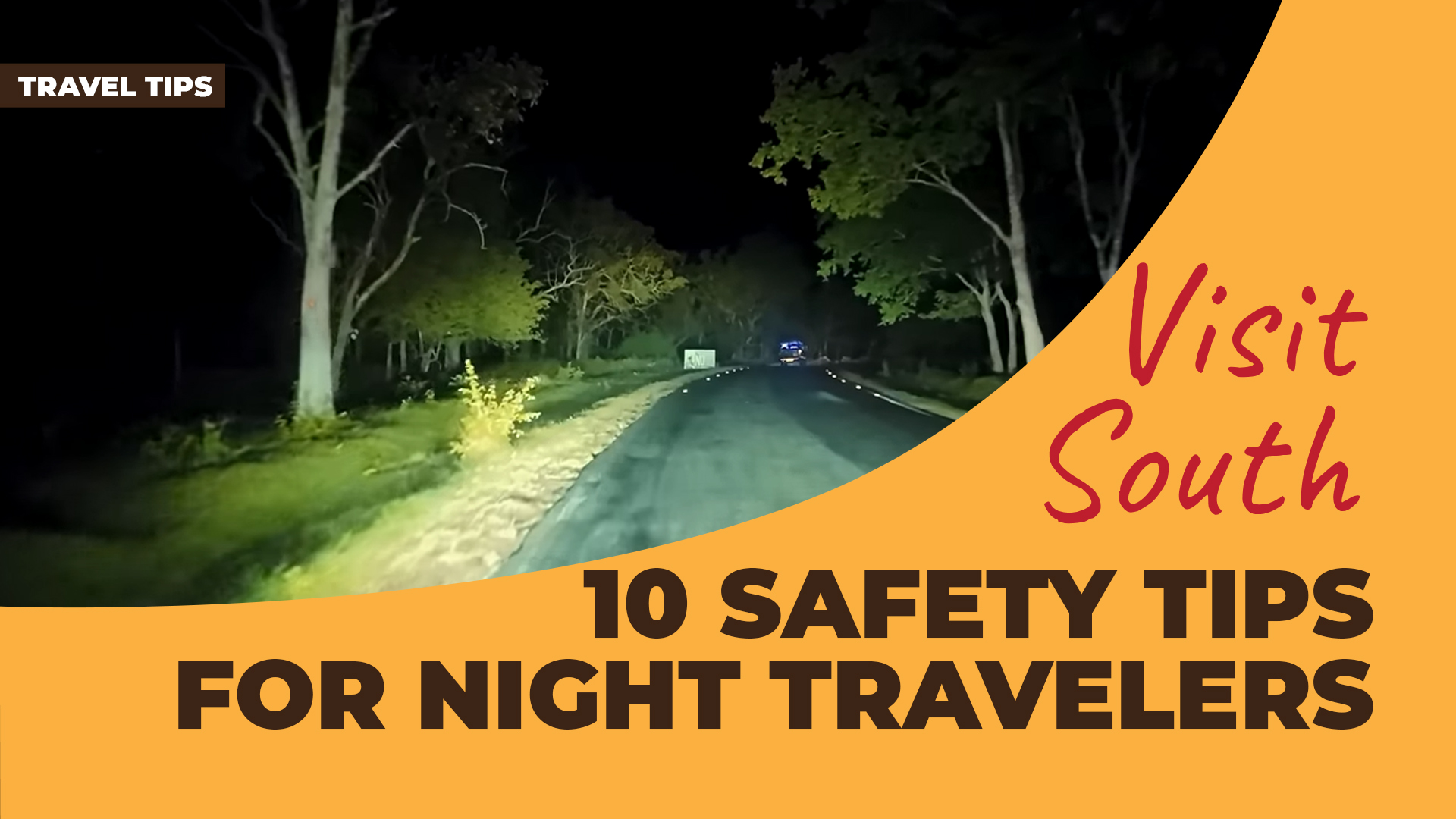
Introduction
The night travel is a feeling of serenity, there are fewer vehicles, the air is cooler, and there is silence. Behind that calm, however, is a greater amount of danger.
Poor visibility, fatigue, and abandoned places make night travels more difficult than day journeys. Driving, riding, or walking, safety should always be in the frontline to make sure that your travel is smooth and stress-free.
Why Night Travel Requires Extra Caution
Night restricts what you can see, reduces your response time and in most cases causes fatigue. The majority of the accident records indicate that there are greater risks between midnight and the early morning hours because of drowsiness and poor visibility.
Take away more open services and noisy highways and it is easy to see that preparation is not an option but a necessity.
Safety Tips Summary
| Safety Aspect | Why It Matters | Action to Take |
|---|---|---|
| Route Planning | Avoids risky or closed routes | Pre-load reliable navigation maps |
| Vehicle Condition | Prevents surprises like breakdowns | Check brakes, headlights, oil, and fuel |
| Visibility | Helps others see you clearly | Clean mirrors, lights, and wear bright clothing |
| Focus | Reduces night-driving hazards | Avoid phone use and overeating while driving |
| Rest | Counteracts fatigue | Take breaks or share driving duties |
| Safe Stops | Keeps you secure | Choose lit, populated rest areas |
| Awareness | Strengthens confidence | Observe surroundings, trust instincts |
| Emergency Readiness | Reduces stress in breakdowns | Carry first-aid kit, flashlight, and power bank |
Detailed Safety Tips
Plan Your Route in Advance
Familiarize yourself with your route, fuel stations, rest points and other routes. It is better to avoid offbeat shortcuts or inner roads that one does not know, particularly in the rural regions where cell signals are poor. A small amount of planning will guarantee a great deal of security.
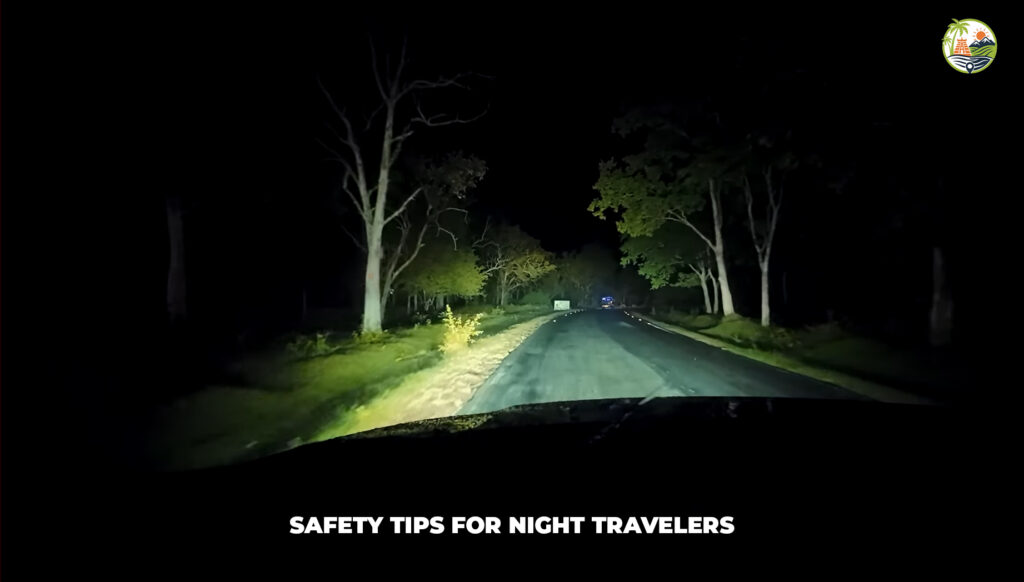
Keep Your Vehicle in Top Shape
Check your vehicle or bike before you drive. Make sure that your tires are hard, your lights are working, and your brakes are working smoothly. Keep a simple tool kit – a properly equipped car is your safety net.
Stay Visible
At night you become very invisible. Maintain your Headlights and taillights. Bikers and pedestrians ought to wear light colored or reflective clothes so that they do not blend with the dark.
Avoid Distractions
Night driving requires concentration. Prepare music, maps, and other settings in advance. Turn notifications off and avoid multitasking – even looking at your phone, even for a second, can be risky.
Stay Rested and Alert
Do not undervalue fatigue. In case your eyes are heavy, have a quick nap somewhere safe. Turn off switch drivers when travelling long distances. Waking up is not the point, but it is important to be alert.
Choose Safe Rest Stops
Plan at confirmed and bright business or gas stations. Dark or empty parking lots should be avoided. A safe break can rejuvenate you physically and psychologically.
Trust Your Instincts
When something feels wrong, it is likely to be wrong. Trust your intuition, switch places, and do not waste time on meaningless communication with strangers. The consciousness creates natural defense.
Emergency Backup Plan
Never forget the basics: flashlight, water, a fully charged power bank, and a first-aid kit. Disclose your trip details to your family or friends to be on the safer side. In case of an emergency, lock up and remain in your car until rescue comes.
Conclusion
Night travel does not necessarily need to be dangerous. It may be a journey of quiet streets, clear skies, and leisurely rides – when done in a responsible manner. These tips will help you to enjoy your trip without any fears of accidents or other issues because of proper route planning, resting and staying visible. The night can be of the travelers, but the prudent have the night of safety.
